
Local & Certified · Serving All of Nova Scotia

Geothermal Heat Pumps in Nova Scotia

Regular maintenance keeps your heat pump running efficiently, protects your warranty, and helps you avoid costly repairs. Book a professional tune-up with Nova Scotia’s cold-climate heat pump specialists.

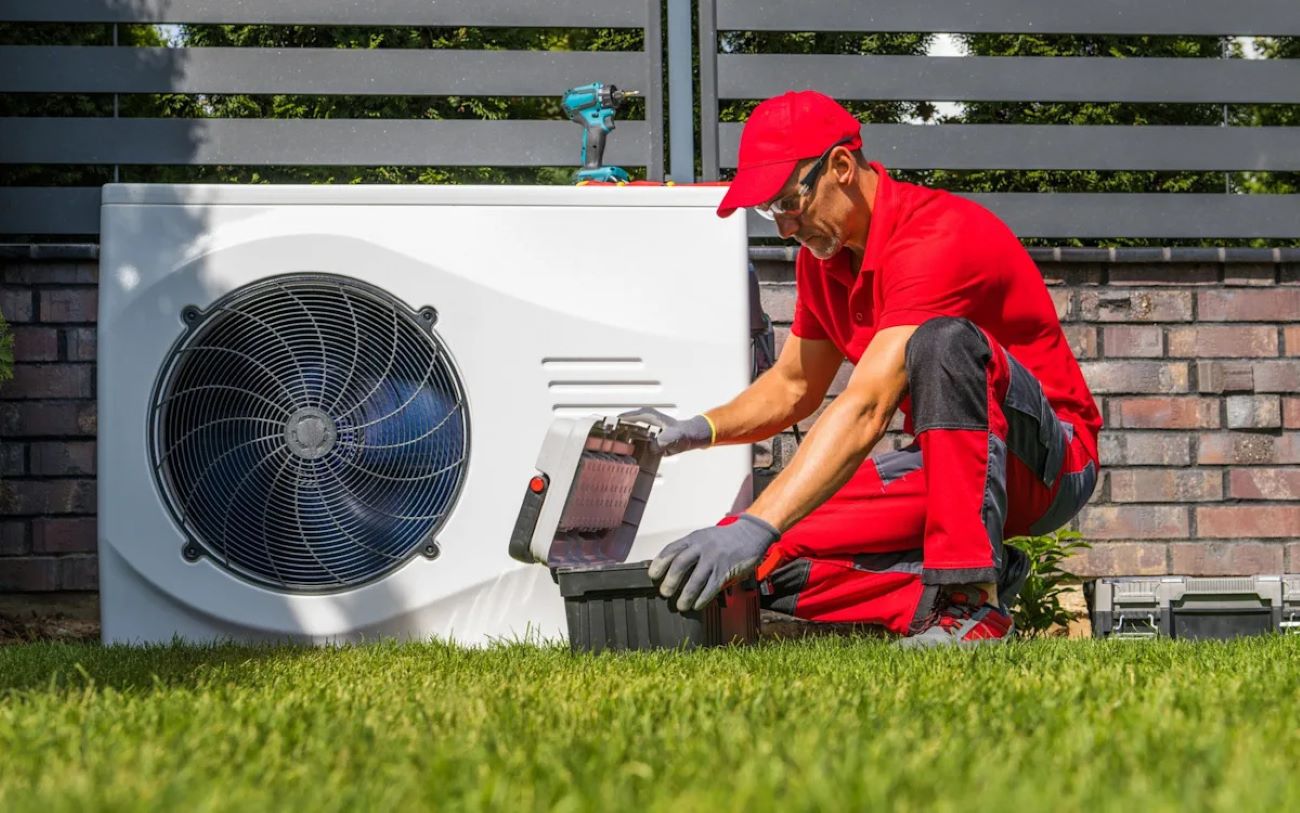
A heat pump that isn’t serviced loses efficiency every year, often without homeowners noticing until the bill or a breakdown makes it obvious. Nova Scotia’s coastal air and long heating season mean coils, filters, and outdoor units need more attention than in drier climates. One seasonal tune-up a year is usually enough to keep your system at peak efficiency and protect your warranty.

50+ Reviews
Request a Free Assessment

We’ll respond within one business day.

    Years of Experience
    0 +
    Successful Projects
    0 +
    Satisfied Clients
    0 +
    5-Star Ratings
    0 +
    How it works

    Where the Heat Actually Comes From

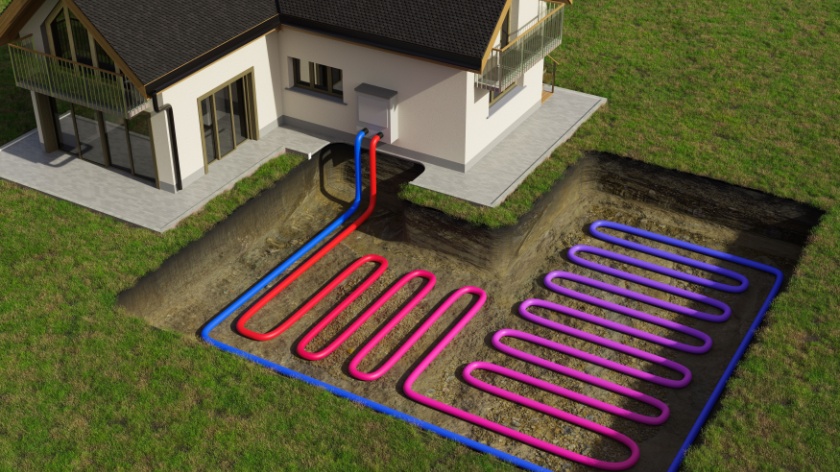
    A few metres below the surface, the ground in Nova Scotia sits at a fairly constant temperature all year, roughly 8–10°C regardless of whether it’s a July afternoon or a February cold snap. That stability is the entire point.

    • In winter, fluid circulating through the buried loop absorbs low-grade heat from the ground and carries it to a heat pump indoors, which concentrates it and delivers it to your home through ducts or radiant distribution.
    • In summer, the process reverses. The system pulls heat out of your home and rejects it into the ground, which is cooler than the outside air, so geothermal cooling is unusually efficient. Many systems also divert that recovered heat to preheat your domestic hot water at the same time.

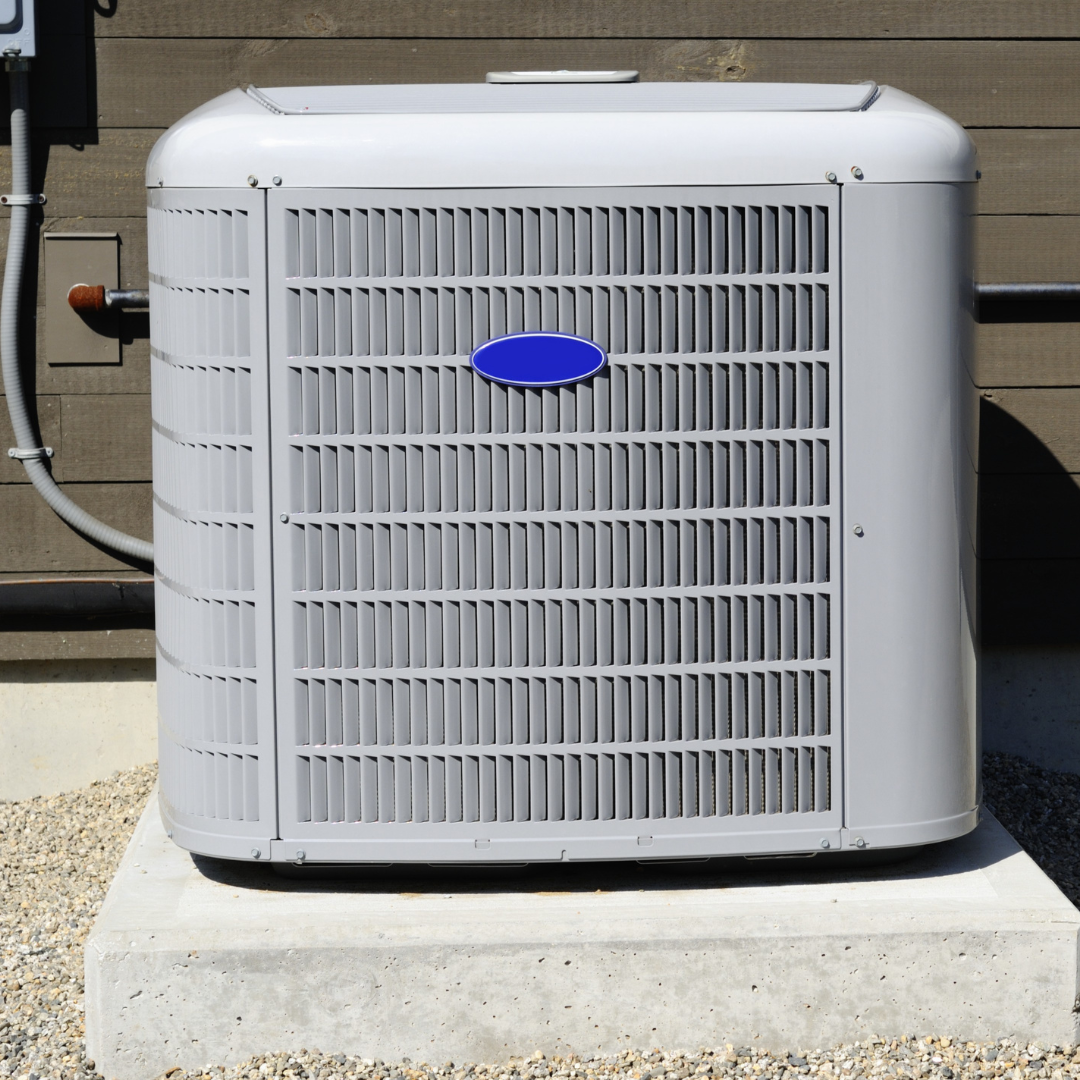
    Unlike an air source heat pump, there is no outdoor unit. Nothing to defrost, nothing exposed to salt air, nothing to clear snow off, nothing for the neighbours to hear. Everything sits indoors except the loop, which is buried and effectively maintenance-free.

    Efficiency is typically expressed as a coefficient of performance of 3 to 5, meaning three to five units of heat delivered for every unit of electricity consumed, and critically, that figure holds steady through the winter rather than declining with the outdoor temperature.

    Geothermal Heat Pumps in Nova Scotia
    Know the Signs

    The Four Ground Loop Types and Which Suits Nova Scotia Properties

    The loop is where most of the cost and nearly all of the site constraints live. Choosing the right one is what the site assessment is for.


    1

    Vertical Closed Loop

    Boreholes drilled straight down, typically 45–150 metres deep, with loop pipe installed and grouted in place. Needs very little surface area.

    • Works on most suburban lots
    • Minimal disruption to landscaping
    • Deeper ground is more thermally stable
    • Highest cost per unit of capacity
    • Requires drilling rig access to the site

    2

    Horizontal Closed Loop

    Loop pipe laid in trenches roughly 1.5–2 metres deep across an open area of the property, then backfilled.

    • Substantially cheaper than drilling
    • Needs roughly ¼–½ acre of clear land
    • Must avoid septic fields, wells and mature trees
    • Significant surface disruption during install
    • Ideal for rural properties and new builds

    3

    Pond or Lake Loop

    Coiled loop pipe submerged and anchored in a sufficiently deep body of water on your own property.

    • Often the cheapest option available
    • Water must be deep enough not to freeze through
    • Minimal excavation required
    • Environmental approvals apply
    • Only viable for waterfront and pond properties

    4

    Open Loop / Standing Column

    Uses groundwater from a well directly rather than a sealed loop, then returns it to the ground or a discharge point.

    • Can use an existing drilled well
    • Very efficient where water quality is good
    • Requires sufficient sustained well yield
    • Water chemistry and iron content matter
    • Not suitable near coastal saltwater intrusion
    Why Choose Us

    Why Nova Scotia Homeowners Choose Mada for Geothermal

    Geothermal is the largest heating investment most people will ever make. Here’s how we approach it differently.

    We'll Tell You Not To

    A large share of geothermal enquiries end with us recommending a cold-climate air source system instead. We install both, so we have no reason to steer you toward the bigger invoice, and a homeowner sold an unsuitable $35,000 system is a problem for years.

    Accurate on Rebates

    We won't promise you a geothermal rebate that doesn't exist. Several contractors in this province are still advertising programs that closed or never applied to ground source in the first place. That's how homeowners end up with a funding gap they didn't budget for.

    Proper Load Calculation

    Room-by-room heat load analysis before loop sizing. On a geothermal project, sizing by square footage isn't just sloppy; it's expensive because the loop is the part you can't cheaply change later.

    Local Team, Local Accountability

    Halifax-based and working across the province. When you call back about the system in year seven, you're talking to the people who installed it, not a national call centre.

    Find Out If Your Property Suits Geothermal

    Every geothermal project starts with the ground, not a brochure. Book a free site assessment, and we’ll tell you what your property can actually support, what it would cost, and honestly whether a cold-climate air source system would serve you better.

    Our Services

    Complete Solution Under One Roof

    Client Says

    What Nova Scotia Homeowners Are Saying

    FAQ

    Geothermal Heat Pump FAQs — Nova Scotia

    How much does a geothermal heat pump cost in Nova Scotia?

    A residential geothermal system in Nova Scotia typically runs between $25,000 and $45,000 installed, depending mainly on the ground loop. Horizontal loops on properties with open land sit at the lower end, while vertical borehole drilling, which most Halifax-area lots require, sits higher. The heat pump equipment itself is a relatively small share of the total; the ground loop and the drilling or excavation are the largest cost components.

    Does geothermal work well in Nova Scotia?

    Yes, and research suggests Nova Scotia is the strongest market for it in Canada. A study by researchers at Université du Québec and Dalhousie University compared the economics of residential ground source heat pumps in Halifax, Montreal, Toronto and Vancouver, and found Halifax the most financially favourable of the four. The reason is that Nova Scotia homes commonly heat with expensive oil and the province has high electricity rates, so the operating cost savings from a highly efficient system are larger here than elsewhere.

    What's the difference between geothermal and an air source heat pump?

    An air source heat pump exchanges heat with outdoor air, so its efficiency falls as the temperature drops. A geothermal or ground source heat pump exchanges heat with the ground, which stays at a stable temperature year-round regardless of the weather. Geothermal delivers higher and more consistent efficiency and a longer equipment life, but costs substantially more upfront and requires either drilling or excavation. For most Nova Scotia homes, a cold-climate air source system is the more practical choice; geothermal makes sense on properties with land, long ownership horizons, or high heating demand.

    How much land do I need for a geothermal system?

    A horizontal ground loop typically needs roughly a quarter to half an acre of open, excavatable land free of septic fields, wells, and mature trees. If you don't have that, vertical boreholes are the alternative and need far less surface area, usually only enough space for a drilling rig to access the site. Vertical drilling costs more per unit of capacity but works on most suburban lots, which is why it's the common approach in the Halifax area.

    How long does geothermal installation take?

    Allow one to three weeks from the start of ground works to a commissioned system. Vertical borehole drilling usually takes one to three days depending on the number of boreholes and ground conditions, horizontal loop excavation typically two to four days, and the indoor equipment installation and commissioning a further two to four days, followed by site restoration. Site assessment and design happen before all of that and typically add two to four weeks.

    Winter demand books up fast

    Ready for a Warmer, Lower-Cost Winter?

    Book your free heat pump assessment today. We’ll walk your Nova Scotia home, explain your rebate eligibility, and give you a clear, no-pressure quote.

    📞 (902) 691-6232

    Request a Free Assessment

    We’ll respond within one business day.

      scroll to top