
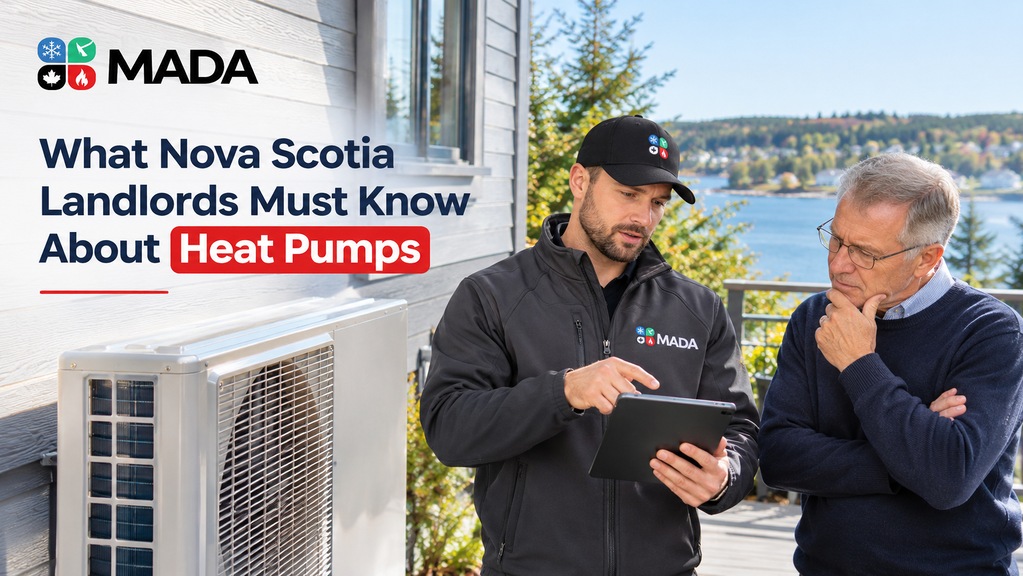
There is far more to managing your rental property than receiving rent and getting occasional repairs. A property’s long-term value can be affected by many different factors, such as heating efficiency, comfort of the tenants, insurance needs, and running costs. Landlords can look to improve the energy efficiency of their properties and attract more renters with the addition of heat pumps. There are many considerations when installing a heat pump, including selecting the correct system, knowing what rebates you can get, and maintenance.
1. Choose the Right Heat Pump for Your Rental Property
Not every rental property has the same heating requirements. The building’s layout, existing ductwork, insulation, and number of units should influence the type of heat pump selected.
Landlords considering heat pump replacement options should understand the differences between the two most common system types.
Central ducted heat pumps
These are ideal for single-family rentals if there are ducts. It will spread the warm/cool air via existing vents. This can be a great option if you are upgrading your old heating and cooling system.
Ductless mini-split heat pumps
These are ideal for apartments, small rentals, and open-plan homes that do not have ducts. They heat and cool the home using indoor units. If you have multiple indoor units, you will be able to control the temperature of each room!
2. Understand Insurance Requirements for Backup Heating
Another thing you need to consider as a landlord in Nova Scotia is insurance. A lot of insurance companies in Atlantic Canada will require your property to have another heating source if it has heat pumps installed.
Heat pumps are affected by the weather and power cuts during the extreme winter months. If you don’t have enough back-up heating, you may have issues with the temperature dropping too low inside the property, causing frozen pipes and/or water damage.
Before you remove your previous heating systems, please check with your insurance company to make sure you know what is required. This will help prevent any issues if you have a written confirmation.
3. Explore Financial Assistance for Rental Property Upgrades
A concern that landlords may have about installing heat pumps is the initial installation costs. There may be financial support available through Efficiency Nova Scotia.
For qualifying multi-unit residential properties, the Affordable Multifamily Housing Program may be applicable. This program can offer up to 80% of the eligible costs of your upgrade.
We recommend contacting Efficiency Nova Scotia before purchasing any equipment or starting any work to discuss what is required to apply. You will also want to check if you need pre-approval.
4. Consider How Heat Pumps Affect Rental Expenses
Heat pumps can affect tenant satisfaction and running costs for landlords. These benefits can be achieved based on whether the utility costs are included in the rental agreement.
Tenants pay for utilities.
If the tenant is paying for their electricity and heating costs, then using efficient heat pumps can make the property more attractive. Having lower heating costs could become a key selling point.
Landlords pay for utilities
If the landlord is paying for the heating costs, then increasing efficiency can help improve the running margin each month. Heat pumps can save up to around 50-60% on your heating costs, depending on what type of heating you had before, electricity costs, insulation, and how well the equipment performs.
5. Work With Experienced Professionals When Planning Upgrades
Deciding what equipment to go with and ensuring that it is properly installed will require some consideration. Look at how experienced the contractors are, what they recommend for installation, what warranty comes with the equipment, and what after-sales support they offer.
By using an experienced heat pump installation professional, you will know about any possible issues. If you have more than one unit, this can help to ensure that your decision won’t affect several tenants.
6. Set Clear Maintenance Responsibilities With Tenants
Along with getting an energy-efficient heating system, it’s a good idea to ensure you maintain your equipment properly so you can help avoid any unexpected repair bills.
As a landlord, it’s best to set some guidelines around who will complete regular maintenance and when to get the professionals in.
Simple maintenance tasks such as cleaning the internal heat pump filters will generally require some regular attention (every 1-3 months depending on how much it’s used and the conditions of the house). This can be explained to tenants when they move in, and you can include this in your rental information.
If there are bigger issues, you will want to get a professional in to look at it.
7. Make Heat Pumps a Practical Long-Term Investment
In addition to providing landlords in Nova Scotia with a modern heating system, heat pumps will help attract tenants, save energy, and create a comfortable living space.
To get the most out of your heat pump, it is important to look at your overall investment. This includes looking into insurance, rebates, and any utility contracts.
If you’re looking to improve your building as a whole, there are a variety of resources available at Mada Construction. By having a plan in place for your property, you’ll be protecting your investment as well as creating a more efficient and comfortable rental.